About the author
My name is José Sumbana, a young African investigator and Postdoctoral Fellow with a background in Microbiology, Biotechnology, and Life Sciences. My research focuses on understanding antimicrobial resistance (AMR) and its impact on vulnerable populations through a One Health approach. Through my work, I aim to generate evidence that can improve infection prevention, treatment, and health outcomes for children living with HIV.
Antimicrobial resistance: The silent pandemic
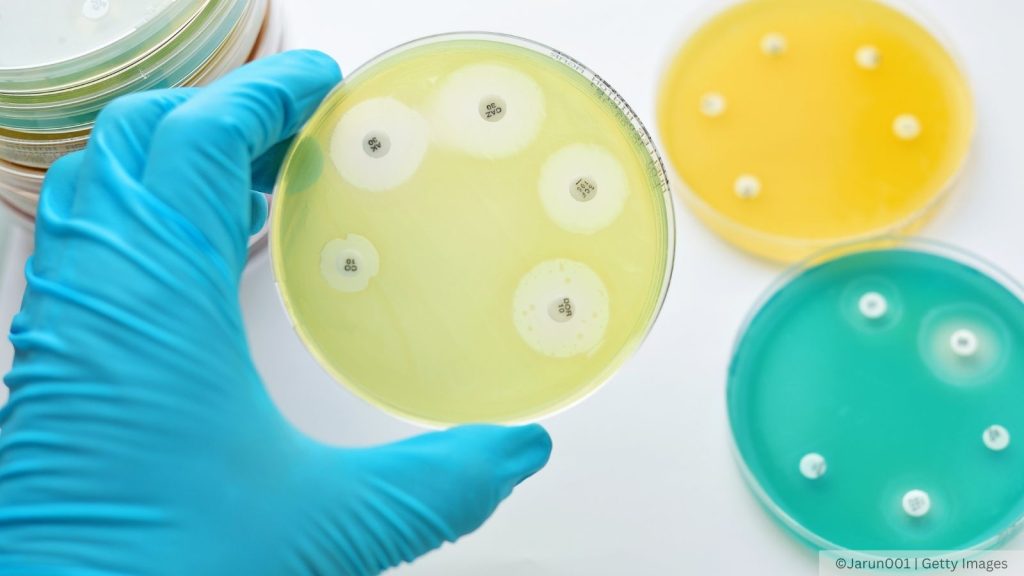
AMR is often referred to as the silent pandemic. It is recognized as one of the top ten global public health threats of the 21st century. AMR occurs when bacteria, viruses, fungi, or parasites evolve and become resistant to medicines that were previously effective against them.
The impact of AMR is already substantial. In 2019, bacterial AMR was directly responsible for an estimated 1.27 million deaths worldwide and contributed to nearly 5 million deaths. The burden is particularly severe in low- and middle-income countries, especially in South Asia and sub-Saharan Africa, where access to advanced diagnostic tools and second-line treatments remains limited.
Why children living with HIV are especially vulnerable?
Children living with HIV (CLHIV) face a unique and dangerous combination of challenges. While antiretroviral therapy has dramatically improved survival, these children remain at increased risk of bacterial infections due to weakened immune systems.
Several factors make them particularly vulnerable to antimicrobial-resistant infections:
- Frequent antibiotic use
Many children living with HIV receive preventive antibiotics to protect them from opportunistic infections. While these medicines save lives, prolonged exposure can unintentionally encourage the development of resistant bacteria.
- Frequent healthcare exposure
Regular clinic visits, hospital admissions, and prolonged hospital stays increase the likelihood of exposure to drug-resistant bacteria commonly found in healthcare settings.
- Malnutrition and severe illness
Malnutrition remains common among children living with HIV and can further weaken immunity, making infections more frequent and more difficult to treat.
- Diagnostic gaps
In many parts of sub-Saharan Africa, healthcare facilities lack the laboratory capacity to rapidly identify the bacteria causing an infection and determine which antibiotics are effective. As a result, treatment is often based on clinical judgment rather than laboratory evidence, increasing the risk of inappropriate antibiotic use and the emergence of resistance.
- The challenge beyond hospital discharge
Bacterial infections can be acquired either in healthcare facilities or within communities. However, their impact often extends beyond the hospital stay.
Many children remain vulnerable after discharge and may experience severe complications during recovery. This contributes to what is known as post-discharge mortality (PDM) – deaths occurring after a patient has left the hospital. Despite its importance, post-discharge mortality remains poorly understood in many parts of sub-Saharan Africa and South Asia, where data are still limited.
Understanding the role of antimicrobial-resistant infections in post-discharge mortality is therefore essential for improving long-term outcomes among children living with HIV.
My research within the SUPPORT consortium
As part of the SUPPORT Consortium, I am currently leading a research project that investigates the prevalence of antimicrobial-resistant bacterial colonization and infections among children living with HIV and examines their role in post-discharge mortality, a largely overlooked contributor to child deaths in sub-Saharan Africa.
The project seeks to:
- Describe the prevalence of multidrug resistant (MDR) colonization at enrollment, the microorganism isolated, and the duration of the colonization.
- Analyze the risk factors to be colonized by an MDR at enrollment.
- Analyze the association between the presence of MDR colonization and PDM at different time points (enrollment, +30 days and 180 days)
- To describe the presence of MDR colonization at readmissions
By addressing these questions, the study will help strengthen infection control measures and support more effective clinical management of children living with HIV.
What can be done?
Addressing the growing threat of antimicrobial resistance among children living with HIV requires urgent and coordinated action described below.
- Invest in paediatric research
Children are not simply small adults. More research is needed to develop antibiotic formulations and treatment strategies specifically designed for paediatric populations.
- Improve diagnostic capacity
Rapid and affordable diagnostic tools are essential, particularly in low-resource settings. Better diagnostics can help clinicians identify the exact cause of infection and prescribe the most appropriate treatment.
- Strengthen antimicrobial stewardship
Healthcare systems must promote responsible antibiotic use by balancing the benefits of preventive therapies with careful monitoring to reduce the emergence of resistance.
- Optimize infection prevention and control
Improving hygiene, infection prevention practices, vaccination coverage, and healthcare quality can reduce the spread of resistant organisms in both hospitals and communities.
Looking forward
The global HIV response has transformed the lives of millions of children. However, antimicrobial resistance threatens to undermine these hard-earned gains.
Protecting children living with HIV requires looking beyond antiviral treatment alone. We must also address the growing burden of resistant bacterial infections through better research, stronger diagnostics, responsible antibiotic use, and improved infection prevention.
If we fail to act, antimicrobial resistance could reverse decades of progress in paediatric HIV care. If we succeed, we can ensure that children living with HIV not only survive but thrive.