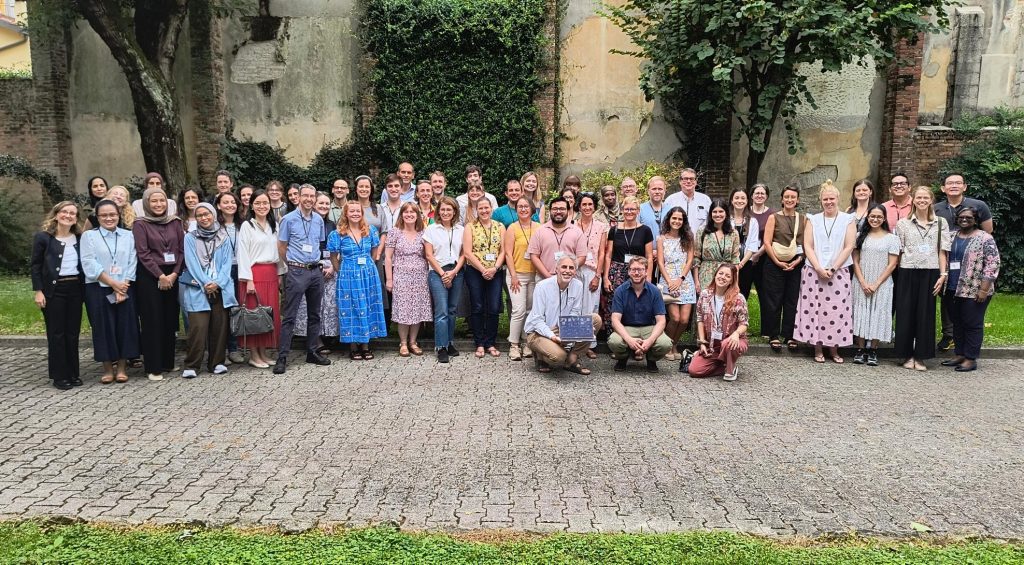
In September our flagship hybrid course, PentaTr@ining “HIV & Other Congenital Infections 2026”, successfully took place in Padova, Italy, bringing together healthcare professionals from across the globe for a unique and highly interactive learning experience.
In the lead up to the workshop in Padova, our in-depth online course prepared delegates to put what they had learned to the test in real-time, combining an innovative blend of real-life clinical cases, live “Ask the Expert” webinars, and dedicated tutoring from an international faculty of expert trainers. The online learning journey was consolidated and enriched by what participants have described as a wonderfully engaging face-to-face workshop in Italy, which was also accessible remotely (via Zoom), ensuring broad participation and accessibility for anyone unable to attend in-person.
This year’s edition attracted a wide range of delegates, from both resource-limited and higher-income countries, achieving excellent geographical representation and fostering meaningful international exchange and collaboration. The diversity of participants contributed significantly to the richness of discussions, allowing professionals to share experiences, challenges, and best practices from a wide range of healthcare settings.
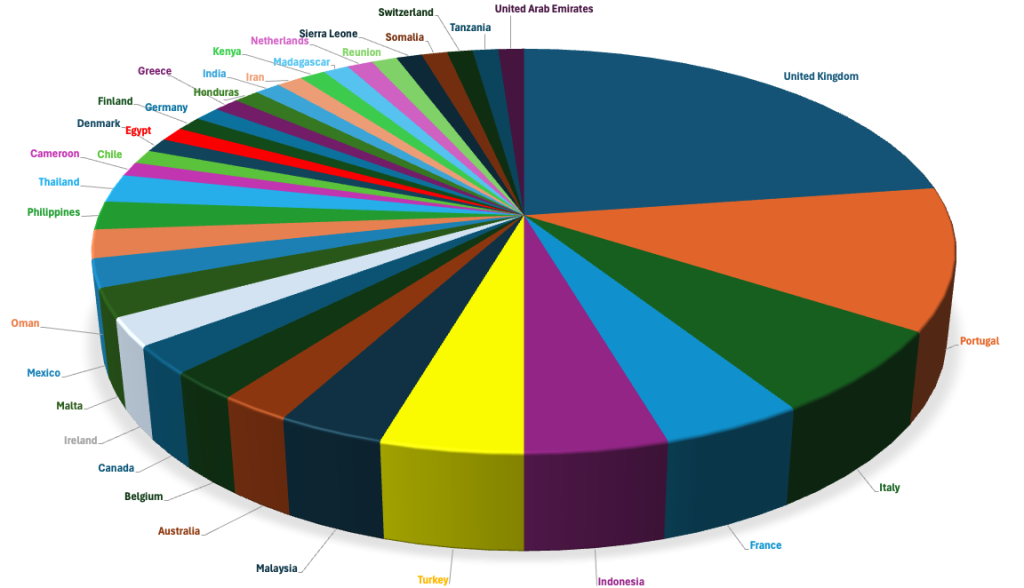
Geographic representation of course delegates
Feedback from participants was overwhelmingly positive. Both the online and face-to-face components received an average satisfaction score of 9/10. Presentations were particularly highly rated, with delegates highlighting the quality and relevance of the content, the engaging and knowledgeable speakers, the interactive quizzes, and the practical case discussions.
Participants described the course as highly informative, stimulating, and directly applicable to their clinical practice. Many appreciated the opportunity to interact closely with faculty members and peers, creating a collaborative learning environment that extended well beyond traditional teaching formats.
But rather than tell the story ourselves, we are delighted to share some reflections from the participants who made this edition such a success.
What delegates had to say about the course:
- Ariesti Karmila, PentaTr@ining delegate from Indonesia
Participating in the PentaTraining HIV & Other Congenital Infections course, first through the online programme and then the residential workshop in Padua, Italy, was a very valuable and enjoyable experience. I particularly appreciated the case-based and small-group discussions and the opportunity to interact directly with international experts. The sessions on congenital infections and opportunistic infections in children with HIV were especially relevant to my practice and increased my confidence in managing these patients.
Since the course, I have been sharing what I learned through patient-care discussions and teaching with residents and colleagues. In our setting, access to some diagnostic tools and medications can still be challenging, while healthcare coverage and cost also influence clinical decisions. The training helped me think more practically about applying evidence-based recommendations and making the best use of the resources available to us
The residential programme also provided valuable opportunities to connect with faculty and colleagues from other countries, and I hope these connections will continue to grow.
I am also excited that a residential PentaTraining course is planned for Indonesia. I’m sure it will reach more Indonesian healthcare professionals, strenghten international connections, and help us explore practical ways to maximize our resources and continue improving patient care toward international standards.
- Crescenzo Coppola, PentaTr@ining delegate from Italy
I followed the PentaTr@ining course on HIV & Other Congenital Infections online first, then in person in Padua (15-17 September 2026). The sessions on adolescent sexual health and prevention, breastfeeding for mothers living with HIV, and transition from paediatric to adult services were particularly valuable. They will support our adolescent STI clinic, inform the internal protocol on breastfeeding for women living with HIV that we are defining, and help us make transition smoother and reduce loss to follow-up. This is a critical issue for us, as handing young adults over to adult care remains difficult.
I shared what I learned with my colleagues, two of whom followed the course online, and we discussed how to improve our practice, including bringing our most complex cases to the monthly virtual clinic.
What makes PentaTr@ining unique is the ease of interaction between faculty and participants: distances disappear, and you can freely discuss important topics with experts, with a practical rather than purely theoretical focus, so that new knowledge can be applied immediately. Learning from the whole faculty, in particular Caroline Foster, Angela Bailey and Justin Penner, and meeting colleagues from other countries to compare experiences, was equally rewarding.
Three words: practical, interactive, inspiring!
Interested in joining a future PentaTr@ining course? Discover upcoming educational opportunities and stay updated on the latest PentaTr@ining activities here.
We look forward to welcoming participants from around the world to future editions!