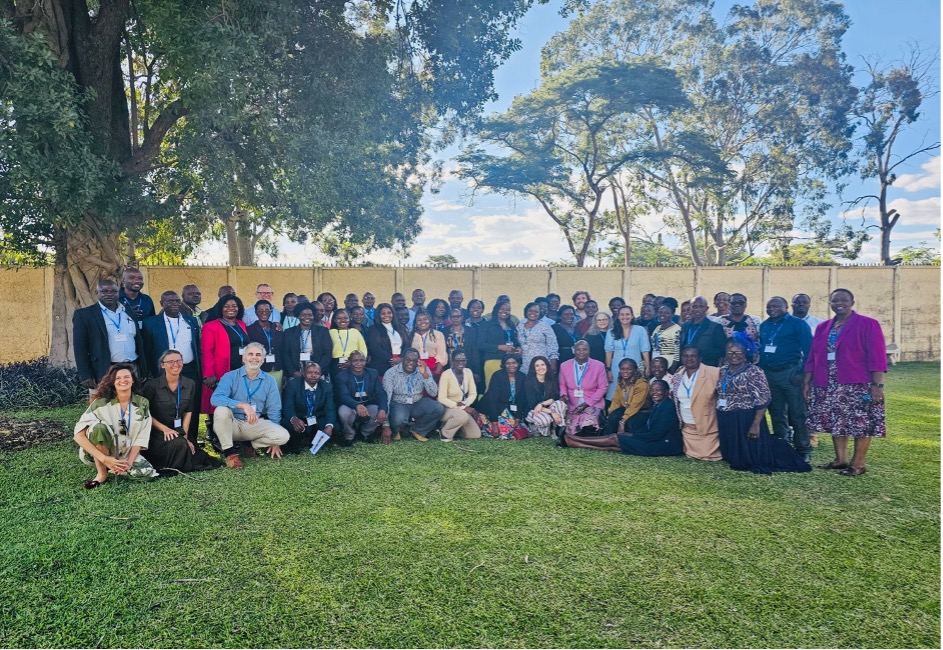
In April 2026, healthcare workers from across Kadoma District gathered for the THRIVE Workshop on the Management of Children with Advanced HIV Disease (AHD) in Primary Care, strengthening the knowledge and practical skills needed to improve outcomes for children living with HIV in Zimbabwe.
Delivered as part of the THRIVE Project, the two-day workshop was co-led by the Ministry of Health and Child Care Zimbabwe in collaboration with ZVITAMBO, Penta, AFROCAB and CHAI. The event brought together nurses (73% of participants) and other healthcare professionals working mainly in rural contexts across Zimbabwe. The multidisciplinary approach fostered valuable collaboration across different levels of the health system, encouraging participants to share experiences and develop practical solutions for the challenges they face in routine clinical practice.
Practical learning to strengthen clinical practice
Delegates rated the workshop highly, reporting that the training met their educational goals, addressed clinically relevant topics and provided knowledge they intend to implement in their everyday practice.
One of the most valued aspects of the workshop was its highly interactive format. Group case discussions, practical exercises, role plays and collaborative learning sessions enabled participants to apply new knowledge immediately while learning from colleagues working in different healthcare settings.
Many participants highlighted the value of the practical sessions:
“These were very useful and gave everyone a chance to participate and share his/her experiences.”
“This was a brilliant training session also very interactive and participatory. An excellent team of faculty both local and international. Very pleased to have had healthcare workers from all facilities in the district.”
“Everything was innovative!”
Others praised the engaging teaching methods, noting that the workshop was “very interactive and participatory” and commending the combination of local and international faculty. Several participants expressed a desire for even more case discussions and role-play sessions, particularly around disclosure counselling and adherence support for children and adolescents.
Interactive elements including anthropometry demonstrations, use of mannequins, quizzes, videos and group activities were repeatedly identified as innovative features that enhanced learning and encouraged active participation.
Translating knowledge into better patient care
Perhaps the strongest measure of the workshop’s success was participants’ confidence in applying what they had learned. Healthcare workers described how they would strengthen implementation of the WHO STOP AIDS package, improve systematic screening for advanced HIV disease, tuberculosis, malnutrition, anaemia and opportunistic infections, and place greater emphasis on early HIV testing and timely initiation of antiretroviral therapy for children.
Participants also reported increased confidence in mentoring colleagues, improving documentation, strengthening multidisciplinary collaboration, and ensuring that any updates in national guidelines are consistently implemented in everyday clinical practice.
Since the course, colleagues at district facilities have reported that the training:
“has upgraded me to a better service provider, adding confidence in doing my work. We are getting information on the new single dose formulations, and are able to dispense confidently knowing that the medicines needed are actually available”.
Building on success…
Participants overwhelmingly recommended the training to colleagues and expressed enthusiasm for expanding future workshops. Suggestions included extending the course to three or four days, increasing time for group discussions and practical sessions, incorporating more district-specific data and case studies, and cascading the training to additional districts to broaden its impact across Zimbabwe. Colleagues on the ground in Zimbabwe have already been implementing the tools and knowledge gained as a result of the training progamme.
“I am going to thoroughly screen children with AHD for malnutrition, TB anaemia, meningitis and other bacterial and/or opportunistic infections. In the day-to-day screening, I will learn to pay more attention and complete documentation. This knowledge has boosted my confidence. It was an eye-opener for me!”
This strong positive feedback demonstrates both the value of practical, multidisciplinary education and the continued demand for capacity-building initiatives that equip frontline healthcare workers to deliver high-quality care for children living with HIV.
Through the THRIVE Project, Penta and its partners remain committed to continue laying the groundwork of strengthening paediatric HIV services through supporting healthcare professionals with relevant, evidence-based training which translates directly into improved clinical practice and better health outcomes for children and adolescents living with Advanced HIV Disease.
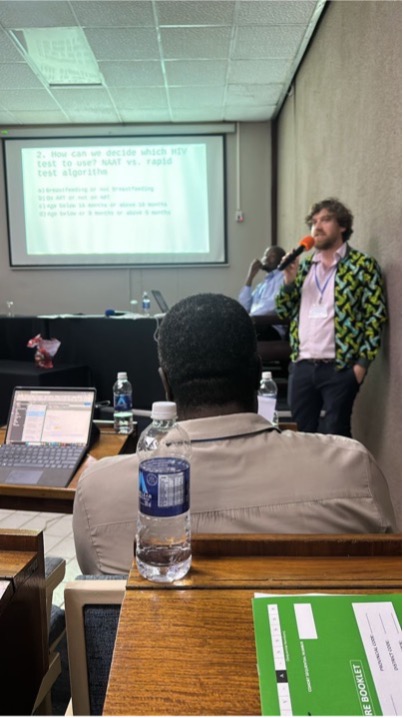
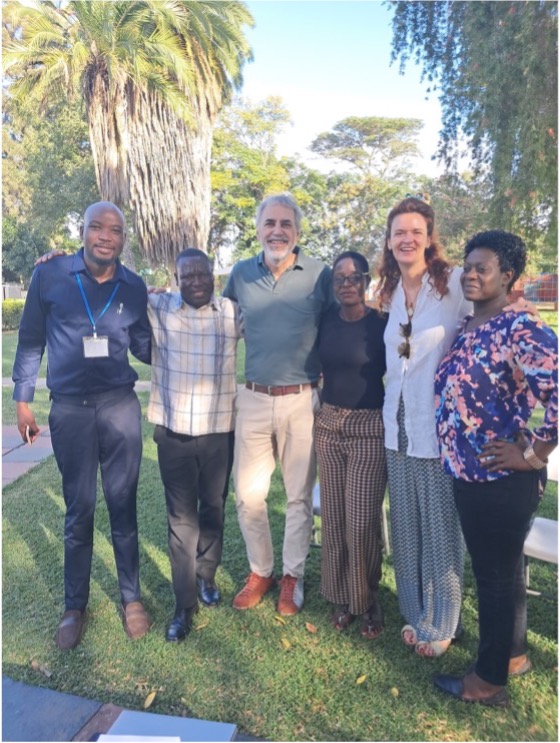
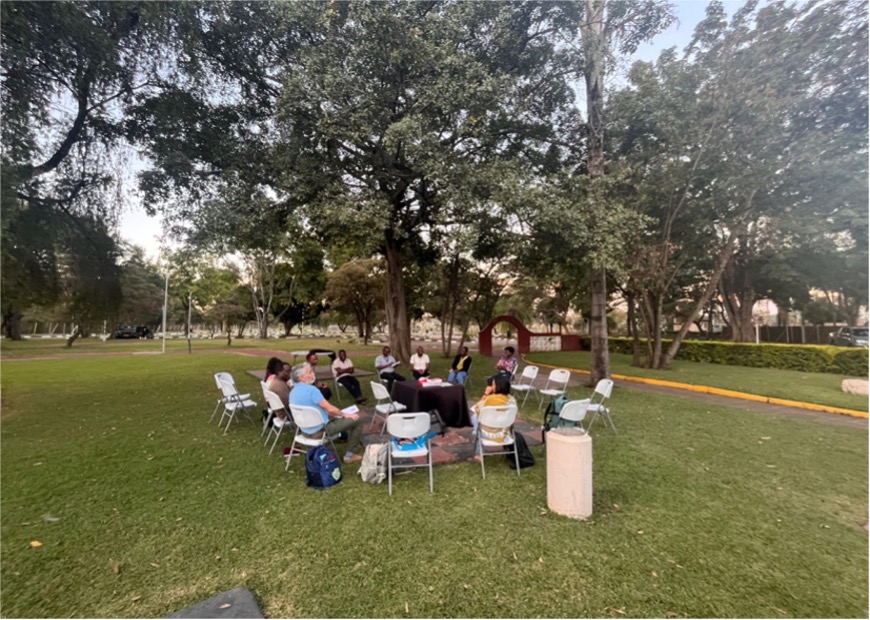
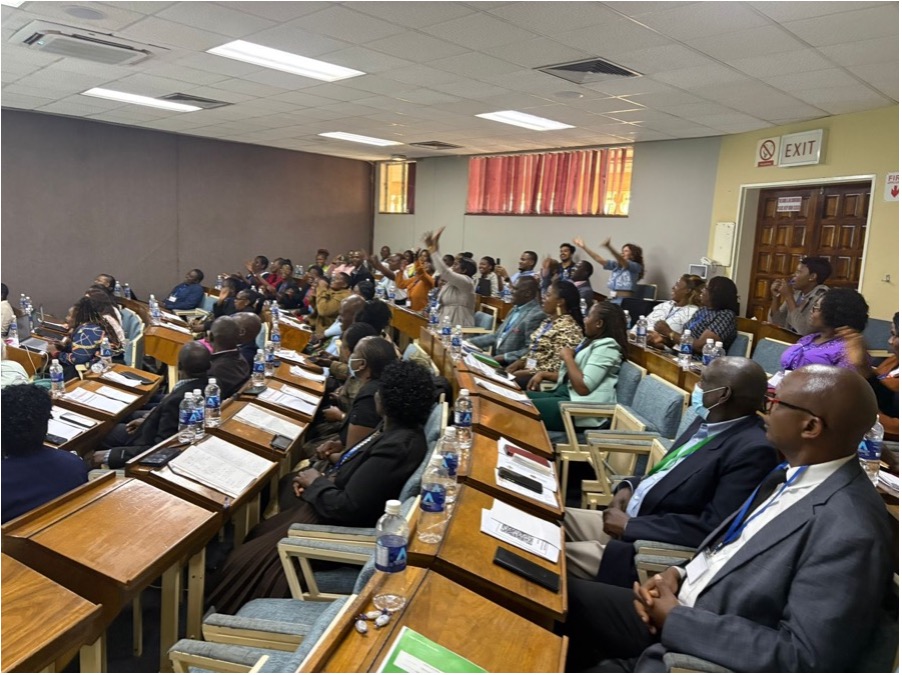
In the photos: Organisers and participants of the THRIVE Workshop on the Management of Children with Advanced HIV Disease (AHD) in Primary Care, Kadoma, Zimbabwe (April 2026).

Through the generous support of Unitaid, the Clinton Health Access Initiative (CHAI)-led THRIVE Project is enabling access to critical prevention, screening, and treatment commodities for advanced HIV disease to dramatically reduce mortality among adults and children living with HIV. The THRIVE project is conducted in partnership with Afrocab and Penta.
Disclaimer: The views expressed are those of Penta and do not necessarily reflect those of Unitaid or other partners.