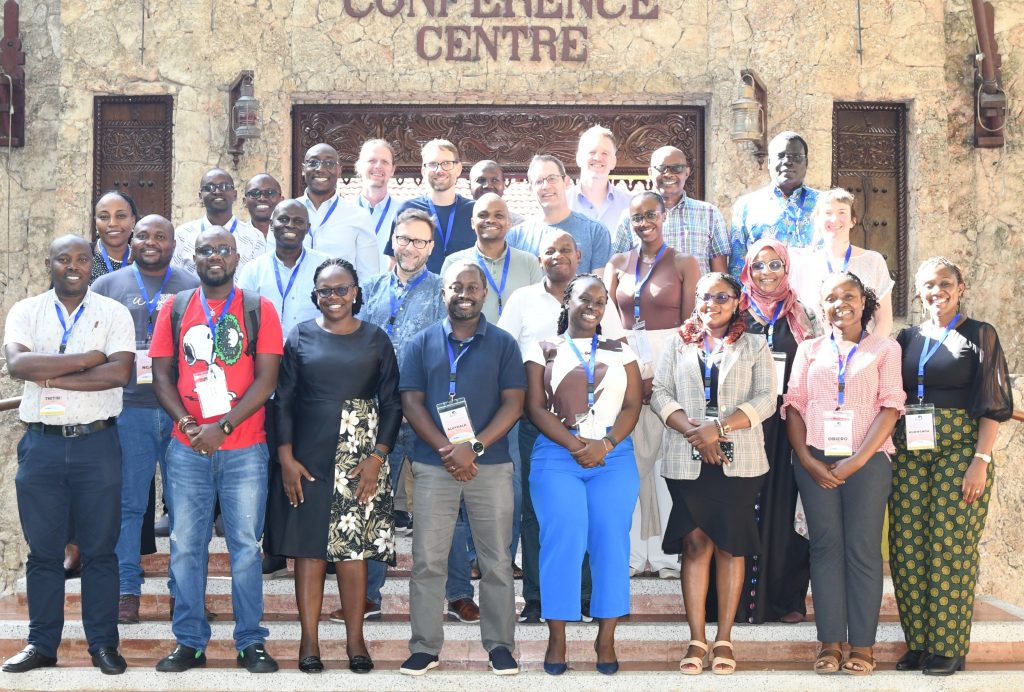
From January 19–20, 2026, the PediSEP-1 consortium gathered in Mombasa, Kenya, for the official launch the project, designed to move paediatric care away from a “one-size-fits-all” approach and toward a model that recognises the specific risks of every child. While the last 30 years saw a steady decline in childhood mortality, 2025 brought a sobering reminder of the fragility of that progress, with mortality rates rising due to healthcare underfunding and a growing mistrust in medical systems. PediSEP-1 is a pragmatic response to these challenges, focusing on data-driven, risk-differentiated care.
Currently, healthcare workers often rely on broad clinical syndromes to guide treatment, which frequently results in a “one-size-fits-all” approach where clinicians provide the same level of care because it is not always clear what is wrong with their patients or that guidelines do not distinguish higher and lower risk children. While this may seem appropriate for safety, it often leads to children who are at low risk receiving unnecessary interventions, such as being prescribed an inpatient course of injectable antibiotics for viral infections. These treatment gaps are compounded by the fact that existing WHO guidelines lack specific details on who can be safely discharged and exactly how to de-escalate antibiotic use.
Furthermore, hospital stays carry their own risks; they do not always change the trajectory of a child’s wellbeing and can even lead to the acquisition of highly resistant bacterial infections that are difficult to treat. When antibiotics are used unnecessarily in these settings, they can wipe out beneficial bacteria, allowing resistant “bugs” to multiply and spread to other children in the ward as well as family members in the community. These may cause difficult to treat infections in hospital or at home after discharge. Additionally, recent studies show high costs to poor families of a child’s hospital admission, even where healthcare is intended to be free for under-fives. So, unnecessary time in hospital poses some risk of significant harm.
To turn the vision of risk-differentiated care into reality, PediSEP-1 is launching several integrated initiatives designed to bridge the gap between hospital and home. For instance, children identified as very low-risk of death, the project will implement “virtual wards”. Following specialised training for parents on critical warning signs, these children can be safely sent home with continuous support via phone follow-up. In the trial, if a child under virtual ward care needs to be reviewed for potential readmission, the fare to hospital will be paid. Before the trial begins, the team will spend a year doing stakeholder engagement to co-develop the trial with Ministries of Health, Paediatric Associations, hospitals and community representatives. The team will also spend this time analysing data from many countries to determine the best way to select children who are admitted to hospital as low risk and might benefit from shorter hospitalisation and virtual ward care by phone.
Children identified as higher-risk will be admitted to the hospital to continue standard treatment protocols. The project aims to give each child what they need, rather than what every child gets.
The momentum from the kick-off meeting continued immediately after the conference. From January 21-22, the Ministry of Health Kenya with the Kenya Medical Research Institute and the Kenya National Public Health Institute hosted the inaugural the AMR Alliance Conference. This event served as a vital platform for stakeholder engagement, allowing the PediSEP-1 team to align our goals with regional experts and policymakers. More details about the conference are available here.
By focusing on bacterial infections and understanding how resistance is transmitted in wards, we can provide the valuable data that current guidelines lack. Ultimately, systemising how discharge decisions are made and providing inpatient care according to each child’s need may free up vital resources for those who need them most. More care does not always equal better care, better care means the right care at the right time for the right children.
If successful, the PediSEP-1 trial will provide validated new suggested guidelines to policymakers in Africa and internationally, including the World Health Organisation.