Antibiotic-resistant bacteria colonization patterns in different neonatal populations across European intensive care units (Poster)

PentaTr@ining Namibia 2024: Insights from Dr Kamangu and Sylvia Ashikoto on how the recent course has strengthened HIV care for children and families in Namibia

UNIVERSAL data supports Laurus Labs US FDA submission for approval of novel protease inhibitor
Individual and familial factors associated with mRNA COVID-19 vaccine uptake in pregnancy: A large-scale registry-based linkage study

The case for Analytical Treatment Interruption in HIV research in children
Viral suppression, viral failure and safety outcomes in children and adolescents ondolutegravir (DTG) in Europe and Thailand
Changes in body mass index before and after starting dolutegravir and compared to protease inhibitors in children and adolescents living with HIV in Europe and Thailand

New Action Plan to accelerate bNAbs for peri- and post-natal HIV prophylaxis released

It’s time for action: Protect children and pregnant people from Hepatitis
Analytical treatment interruption in children living with HIV: position statement from the EPIICAL consortium
Flexible Bayesian estimation of incubation times

Penta’s Young Reporters at the International Workshop on Pediatrics and HIV 2024
Viral failure in children and adolescents living with HIV on dolutegravir (DTG) in Europe and Thailand
Effectiveness and Safety of Dolutegravir in Children and Adolescents Living With HIV in Europe and Thailand
Learning from conect4children: A Collaborative Approach towards Standardisation of Disease-Specific Paediatric Research Data
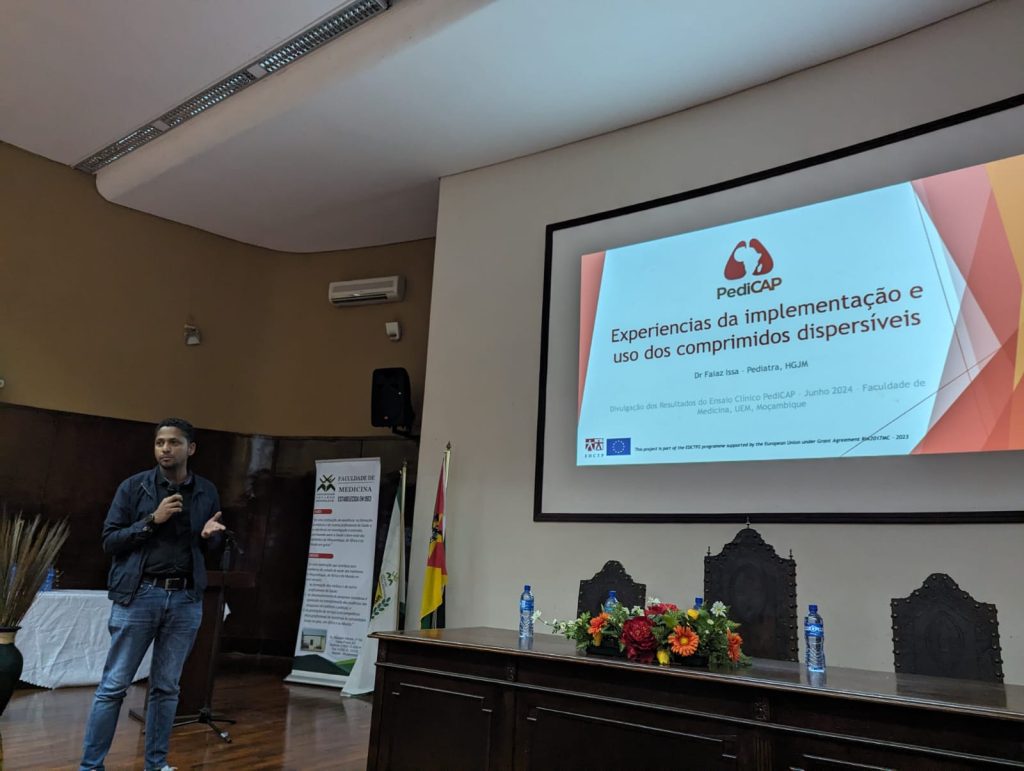
PediCAP trial findings disseminated to Mozambican healthcare community
